Alumni Spotlight: Megan Prinsloo, South Africa

Alumni Spotlight

Megan Prinsloo joins national organising committee of Safety 26 and presents research on alcohol and road safety

2024-2025 DRSC alumna Megan Prinsloo is the co-head of the South African WHO-FIC (World Health Organisation’s family of classifications) Collaborating Centre and a Senior Specialist Scientist on the South African Medical Research Council (SAMRC).

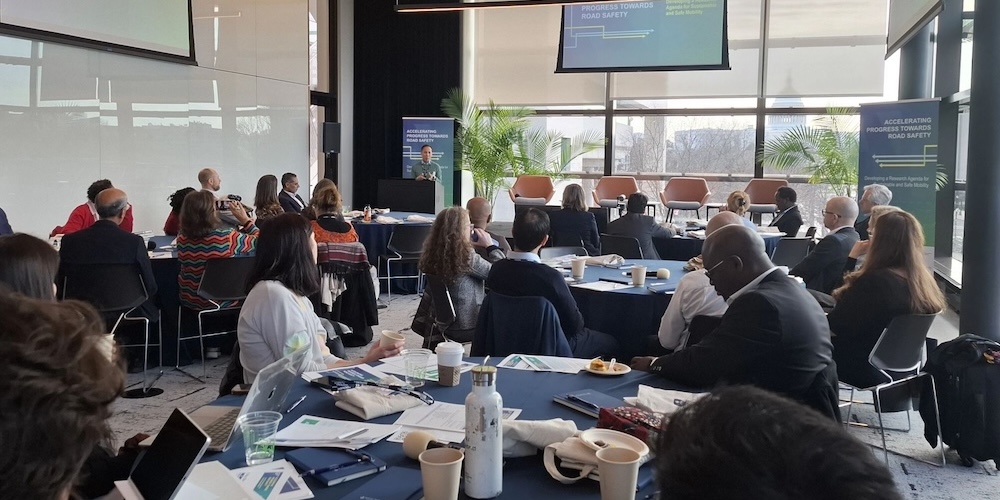
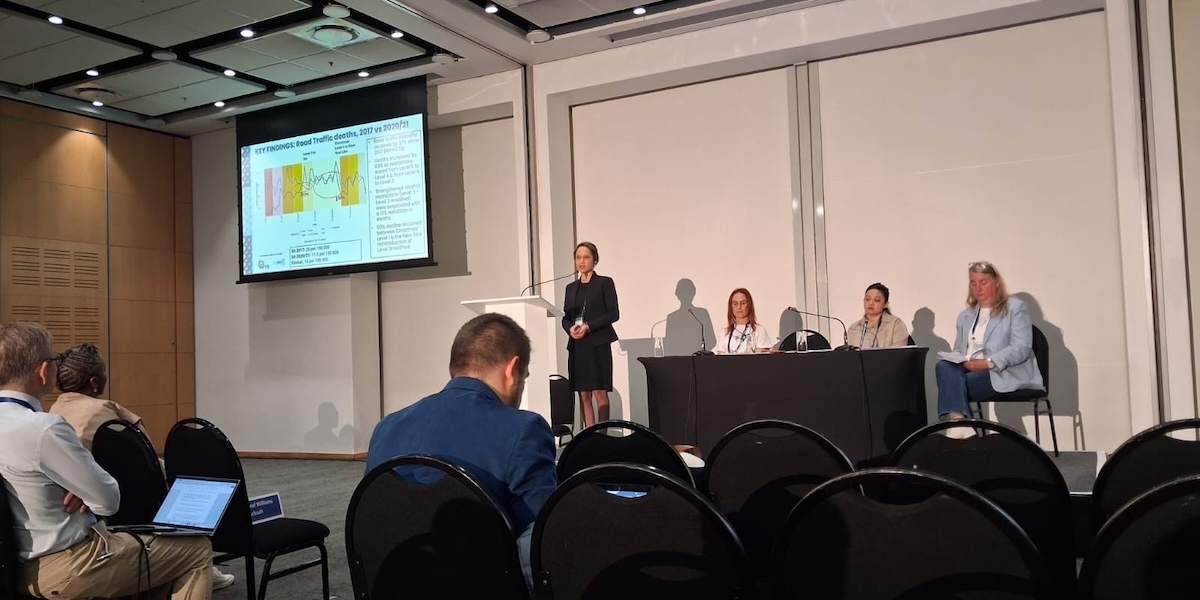
This year, Megan was also a member of the national organising committee for the World Safety Conference 2026, known as Safety 26, which was held in Cape Town from 1-4 September. She was also an active participant throughout the conference sharing her road safety expertise at an in-person workshop, which was attended by 50 participants, during which she presented her research on breathalyser tests and alcohol policy reform, as well as her work on the impact of mobility- and alcohol sales restrictions on road traffic injury deaths during Covid-19.

Her findings showed a significant 50% reduction in road traffic deaths, which coincided with a complete ban on the sale of alcohol in South Africa during Covid-19. She highlighted that although this is not a sustainable long-term solution to prevent road traffic deaths, governments could nonetheless reconsider and strengthen alcohol sales policies alongside integrating the Safe System Approach in national road safety strategies. For Megan, the value of adopting Safe System learning in wider contexts such as this was a takeaway from her experience with DRSC and has informed her approach to road safety.

Since completing the DRSC course, Megan has undertaken various injury-related research studies to address the high rate of road traffic deaths in South Africa, for which she has been awarded a National Research Foundation (NRF) C2 rating (which recognises her as an established researcher in her field). In one of her studies, she validated the efficacy of the breathalyser device used by South African traffic officials for roadside testing against a gold standard blood test. Her findings indicated that combining invasive and non-invasive methods, for routine alcohol testing in resource constrained trauma settings, would strengthen evidence for alcohol policy reform to reduce road traffic and other injuries.

Megan’s research has been vital for measuring South Africa’s progress towards its targets for the Sustainable Development Goals for violence and road traffic mortality and we look forward to seeing how this can be applied.

More alumni news

Alumni Spotlight: Flavius-Florin Paval, Romania

Flavius-Florin Paval contributes to strategic decision-making and coordinating road safety within Romania's road administration.
Alumni Spotlight: Megan Prinsloo, South Africa

Megan Prinsloo joins national organising committee of Safety 26 and presents research on alcohol and road safety.
Alumni Spotlight: Steffel Feudjio, Cameroon

Steffel establishes DataMobilize, a new youth-led digital platform for citizen road safety reporting.

Alumni Spotlight: Vanessa Cueva, Ecuador

Vanessa contributes to Ecuador’s US$300 million National Safe Mobility Program.

Alumni Spotlight: Regnald Raby Massawe, Tanzania

Regnald Massawe plays a key role in Tanzania’s world-first Ten Step Plan for Safer Road Infrastructure.
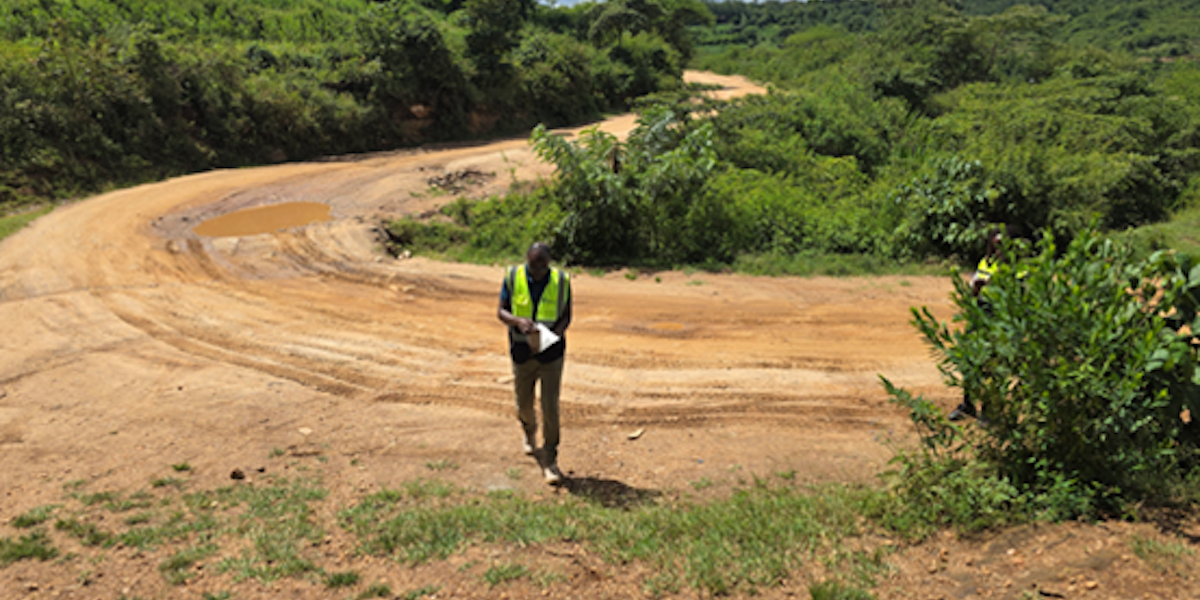
Alumni Spotlight: Robert Ouko Oyoo, Kenya

DRSC helped Robert Ouko Oyoo move from technical specialist to cross-sectoral road safety leader.
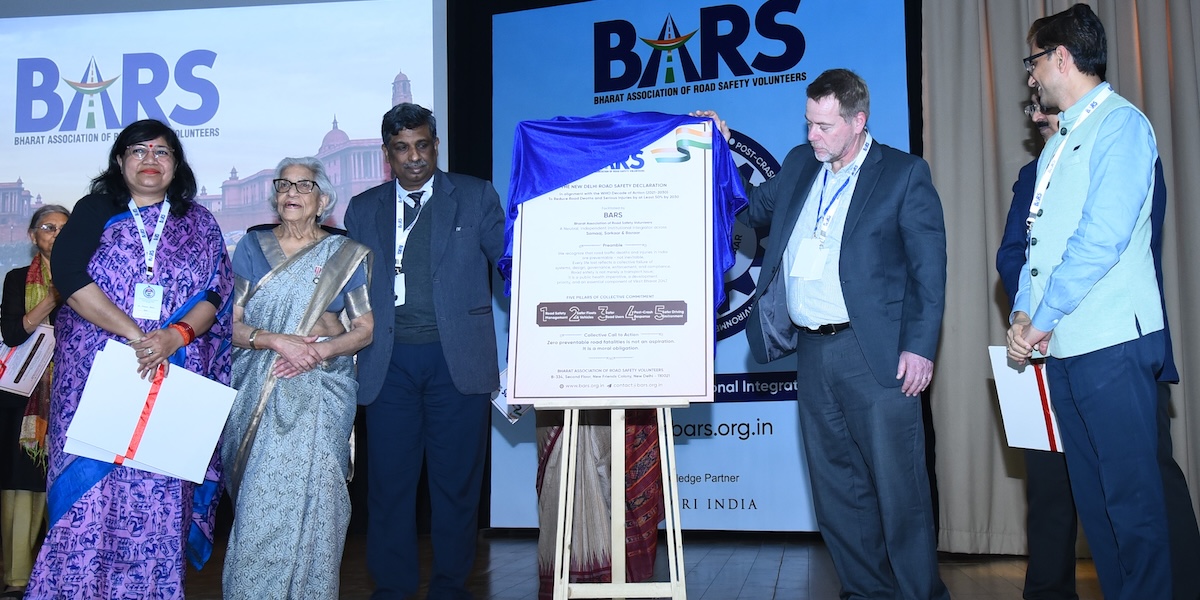
Alumni Spotlight: Prerana Arora, India

Prerana trains 5000 professionals and volunteers across India and counting.

Alumni Spotlight: Tom Bishop, Africa region

Tom Bishop leads road safety programmes in more than 20 African countries.
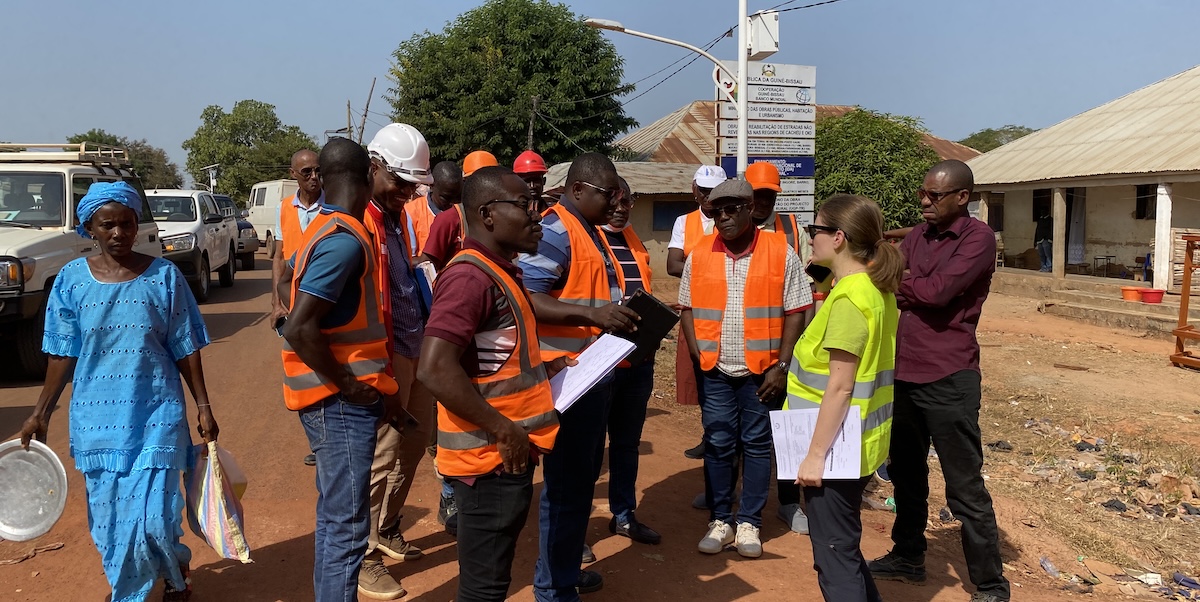
Alumni Spotlight: Alina Burlacu, Romania

Dr Alina Burlacu shapes safe road investment frameworks at the World Bank.