“What I appreciate most about the DRSC training, is that it was tailored to the real-world contexts experienced in low-to-middle income countries”
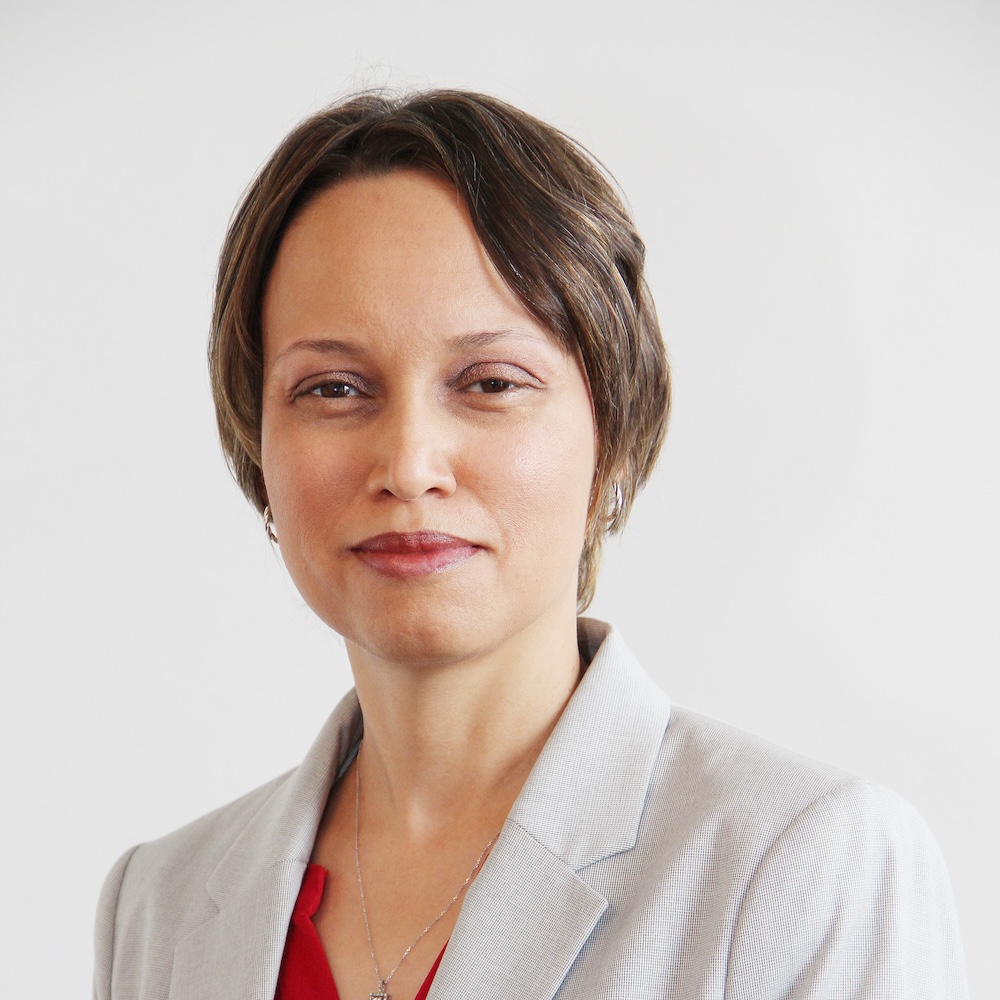
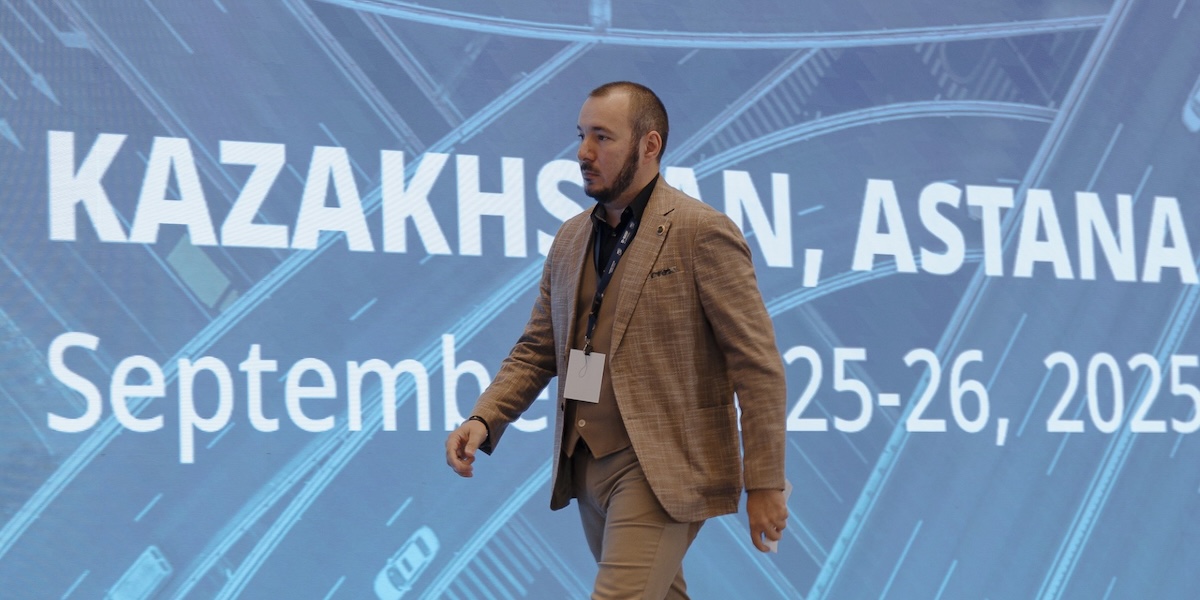
Alumni Spotlight: Flavius-Florin Paval, Romania
Flavius-Florin Paval contributes to strategic decision-making and coordinating road safety within Romania's road administration.
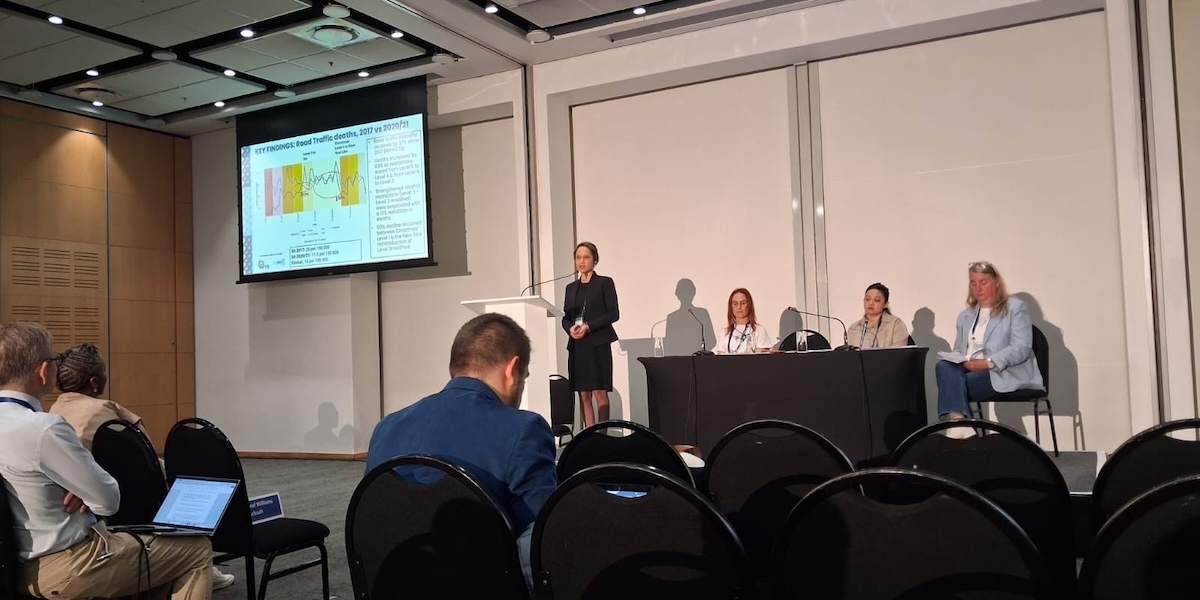
Alumni Spotlight: Megan Prinsloo, South Africa
Megan Prinsloo joins national organising committee of Safety 26 and presents research on alcohol and road safety.
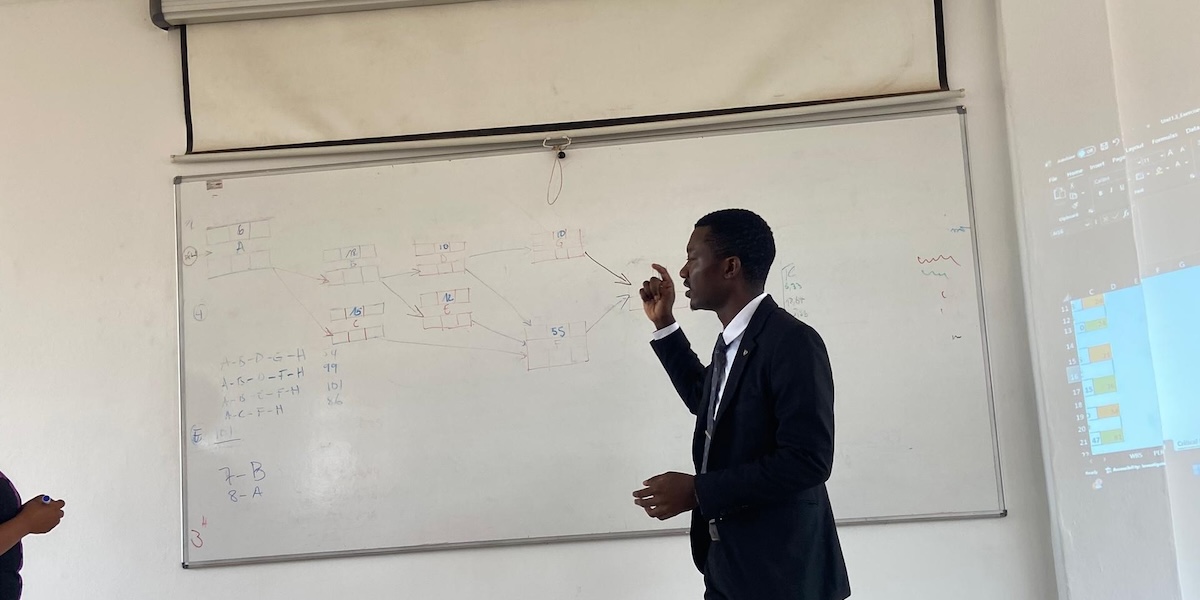
Alumni Spotlight: Steffel Feudjio, Cameroon
Steffel establishes DataMobilize, a new youth-led digital platform for citizen road safety reporting.

Alumni Spotlight: Vanessa Cueva, Ecuador
Vanessa contributes to Ecuador’s US$300 million National Safe Mobility Program.
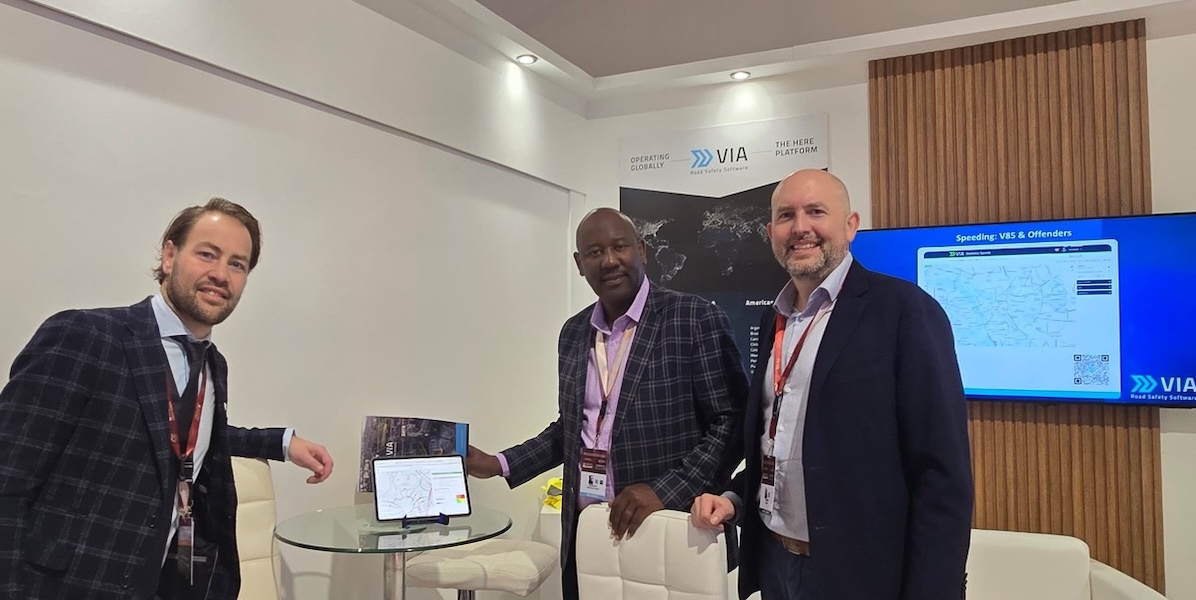
Alumni Spotlight: Regnald Raby Massawe, Tanzania
Regnald Massawe plays a key role in Tanzania’s world-first Ten Step Plan for Safer Road Infrastructure.
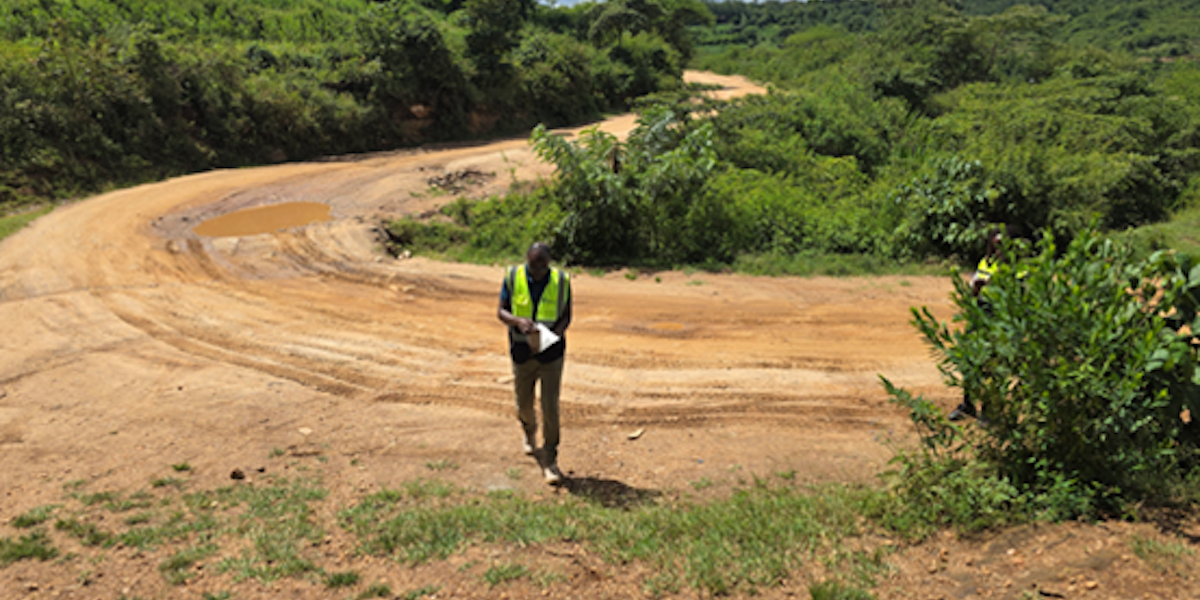
Alumni Spotlight: Robert Ouko Oyoo, Kenya
DRSC helped Robert Ouko Oyoo move from technical specialist to cross-sectoral road safety leader.
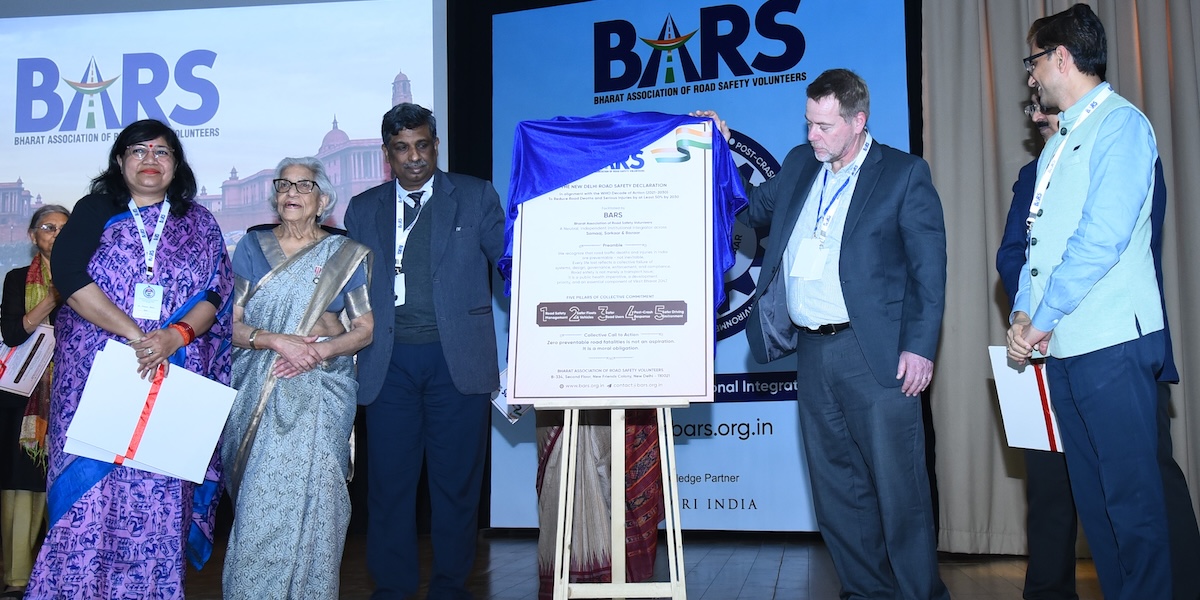
Alumni Spotlight: Prerana Arora, India
Prerana trains 5000 professionals and volunteers across India and counting.

Alumni Spotlight: Tom Bishop, Africa region
Tom Bishop leads road safety programmes in more than 20 African countries.
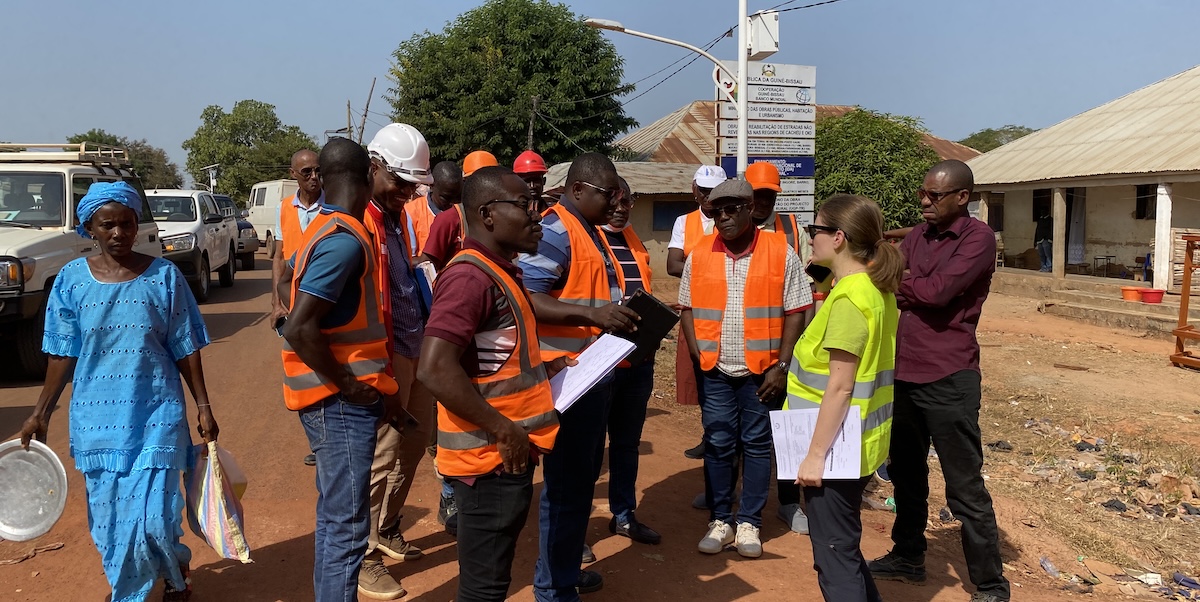
Alumni Spotlight: Alina Burlacu, Romania
Dr Alina Burlacu shapes safe road investment frameworks at the World Bank.